
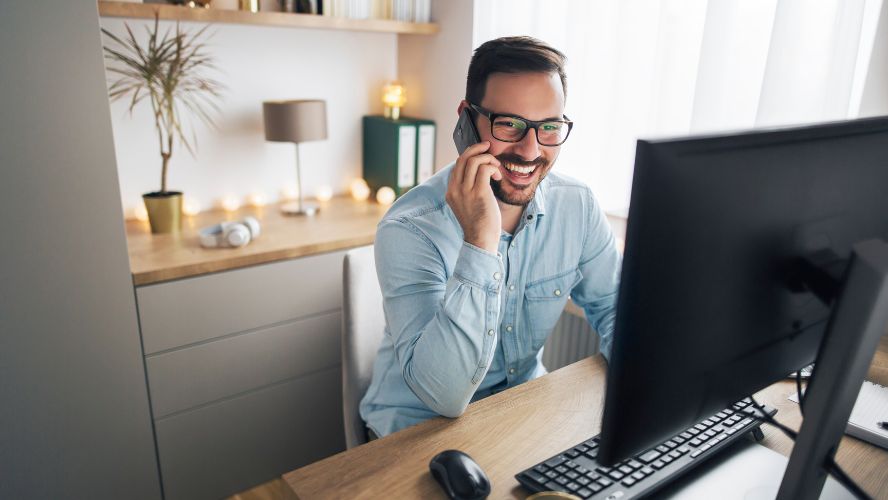
Working from home can be comfortable and convenient, but setting up a good workspace in an apartment can be a little challenging. Apartments often have limited space, and you may need to share the same room for work, rest, and other daily activities. The good news is that you do not need a large room or an expensive setup to create a home office that works well.
With a little planning, you can turn a small corner of your apartment into a comfortable and productive workspace. Here are some simple tips to help you get started.
Choose the Right Spot
The first step is finding the right place for your home office. You do not necessarily need a separate room. A quiet corner of your bedroom, living room, or even a section of your dining area can work.
Try to choose a spot with enough space for a desk and chair. If possible, pick an area that gets natural light. Working near a window can make the space feel brighter and more pleasant during the day.
At the same time, think about distractions. A desk directly in front of the television may make it harder to concentrate. If your apartment is busy or shared with other people, choose a spot where you can work with fewer interruptions.
Pick a Desk That Fits Your Space
Your desk does not have to be big. In a small apartment, a compact desk can be a better choice than a large one. Measure the available space before buying anything so you know exactly what will fit.
Look for a desk that gives you enough room for your computer, keyboard, mouse, and anything else you use regularly. If you mostly work from a laptop, you may be able to use a smaller desk.
A wall-mounted desk or a simple folding desk can also be useful when space is limited. These options allow you to create a workspace without taking up too much room.
Invest in a Comfortable Chair
A comfortable chair is one of the most important parts of a home office. You may be tempted to use a dining chair or sofa because you already have one, but sitting in an uncomfortable position for several hours can make work much harder.
Choose a chair that supports your back and allows your feet to rest comfortably on the floor. Your screen should be at a comfortable height, and your arms should be relaxed while using the keyboard.
You do not have to buy the most expensive office chair available. Focus on comfort, support, and adjustability rather than appearance alone.
Make the Most of Natural Light
Good lighting can make a big difference in how your home office feels. If you can, place your desk near a window so you can take advantage of natural daylight.
However, avoid placing your computer screen directly in front of a bright window. Strong light behind or in front of the screen can cause glare and make it harder to see.
For evenings or darker days, add a desk lamp or floor lamp. A simple lamp can make your workspace more comfortable without taking up much room.
Keep Your Workspace Organized
A small workspace can quickly become messy if you do not have a place for everything. Papers, cables, notebooks, chargers, and other items can take over your desk before you realize it.
Try to keep only the things you use often on the desk. Store other supplies in drawers, boxes, shelves, or small containers. Cable clips and simple organizers can also help keep cords under control.
Keeping your workspace clean is not just about appearance. A tidy desk can make it easier to focus and can help you start your workday without feeling overwhelmed.
Use Vertical Space
When floor space is limited, look up. Walls can provide valuable storage space without making your apartment feel crowded.
A small shelf above your desk can hold books, notebooks, plants, or office supplies. You could also use a pegboard or wall organizer for smaller items.
Just make sure anything you hang is securely attached to the wall. You want your workspace to be useful and safe.
Create a Clear Work Zone
One challenge of working from an apartment is that your office may be in the same place where you relax. This can make it difficult to separate work from personal time.
Try to create a clear boundary around your workspace. Even a small difference can help. You might use a rug, shelf, curtain, or piece of furniture to visually separate your work area from the rest of the room.
When your workday is over, put away your laptop and office supplies if possible. This simple habit can help you mentally switch from work mode to personal time.
Add a Few Personal Touches
Your home office should be a place where you feel comfortable spending time. Adding a few personal touches can make a small workspace feel more inviting.
You could add a small plant, a framed photo, artwork, or a favorite notebook. Choose things that make you happy without filling the desk with unnecessary items.
You can also use colors and textures that match the rest of your apartment. The goal is to create a space that feels like part of your home rather than a temporary workstation.
Think About Noise
Noise can be one of the biggest problems when working from an apartment. Neighbors, traffic, roommates, pets, and everyday household sounds can make it difficult to concentrate.
If your apartment is noisy, consider using headphones or noise-canceling headphones during important tasks or meetings. Soft furnishings such as curtains, rugs, and cushions can also help reduce some sound.
If you regularly attend online meetings, try to choose the quietest part of your apartment for calls. Let the people you live with know when you need some uninterrupted time.
Keep Technology Simple
You do not need a complicated collection of gadgets to have a productive home office. Start with the technology you actually need for your work.
Make sure your internet connection is reliable, especially if you frequently attend video meetings. Keep chargers and cables organized so they do not become a mess around your desk.
If you use a laptop for long periods, you might eventually consider adding a separate keyboard, mouse, or monitor. Add equipment gradually instead of buying everything at once.
Make Your Office Work for You
The best home office is not necessarily the one that looks perfect in a photo. It is the one that helps you work comfortably and efficiently.
Pay attention to how you feel while working. If your back hurts, adjust your chair. If your desk feels crowded, remove things you do not need. If the lighting is uncomfortable, move the lamp or change your desk position.
Your needs may also change over time. Give yourself permission to adjust your setup as you discover what works best.
Create a Space You Enjoy Working In
Setting up a home office in an apartment does not require a large budget or a spare room. With the right location, a comfortable chair, good lighting, and some simple organization, even a small corner can become a useful workspace.
The key is to make the most of the space you already have. Keep your setup practical, avoid unnecessary clutter, and create a clear separation between work and relaxation. Most importantly, build a workspace that feels comfortable and suits the way you work.
A well-planned home office can make your apartment feel more organized while helping you stay focused and productive throughout the day.